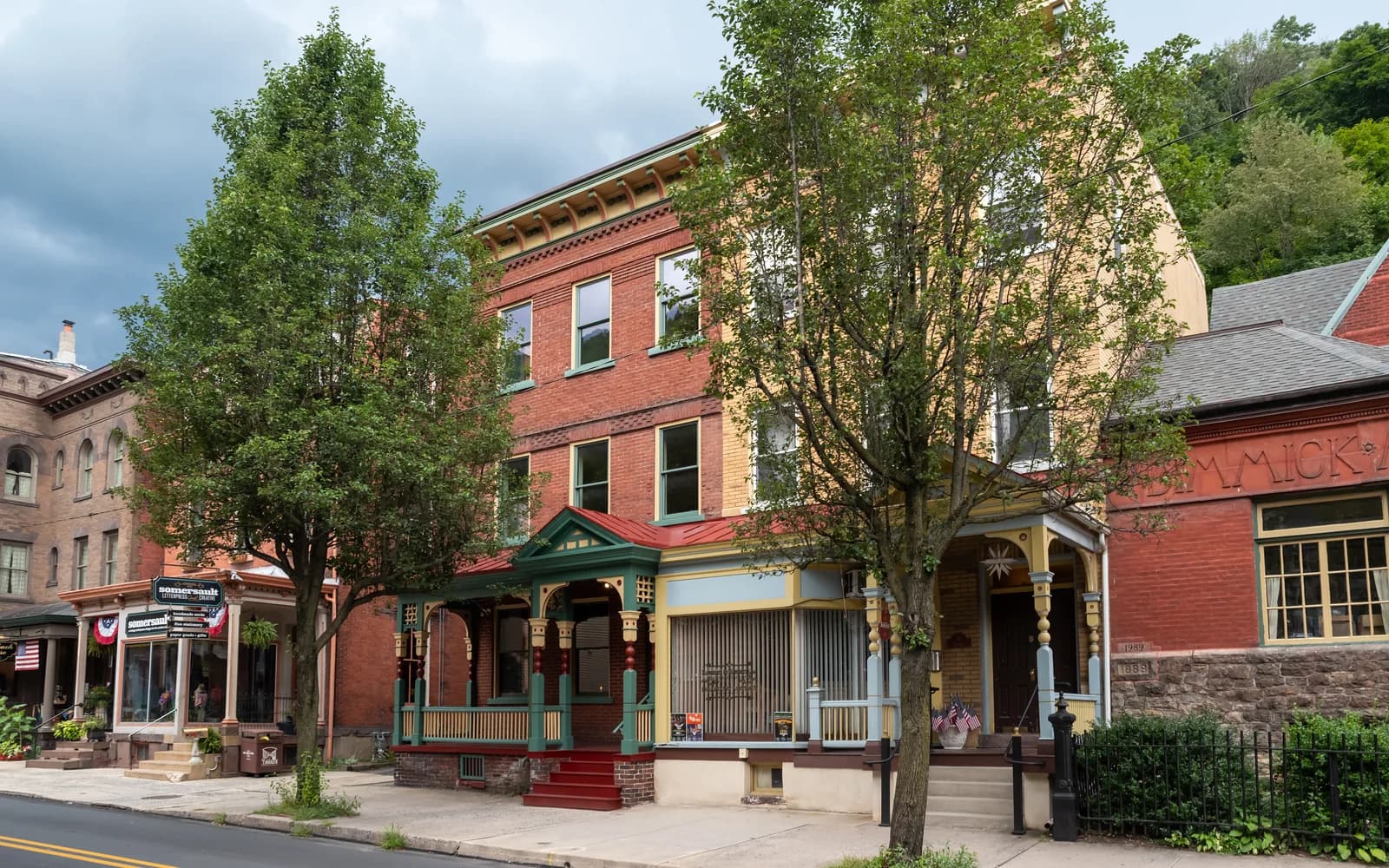

Across Allentown, Bethlehem and Easton, real estate opportunity begins with understanding what a property needs and how it can serve its next owner or tenant.
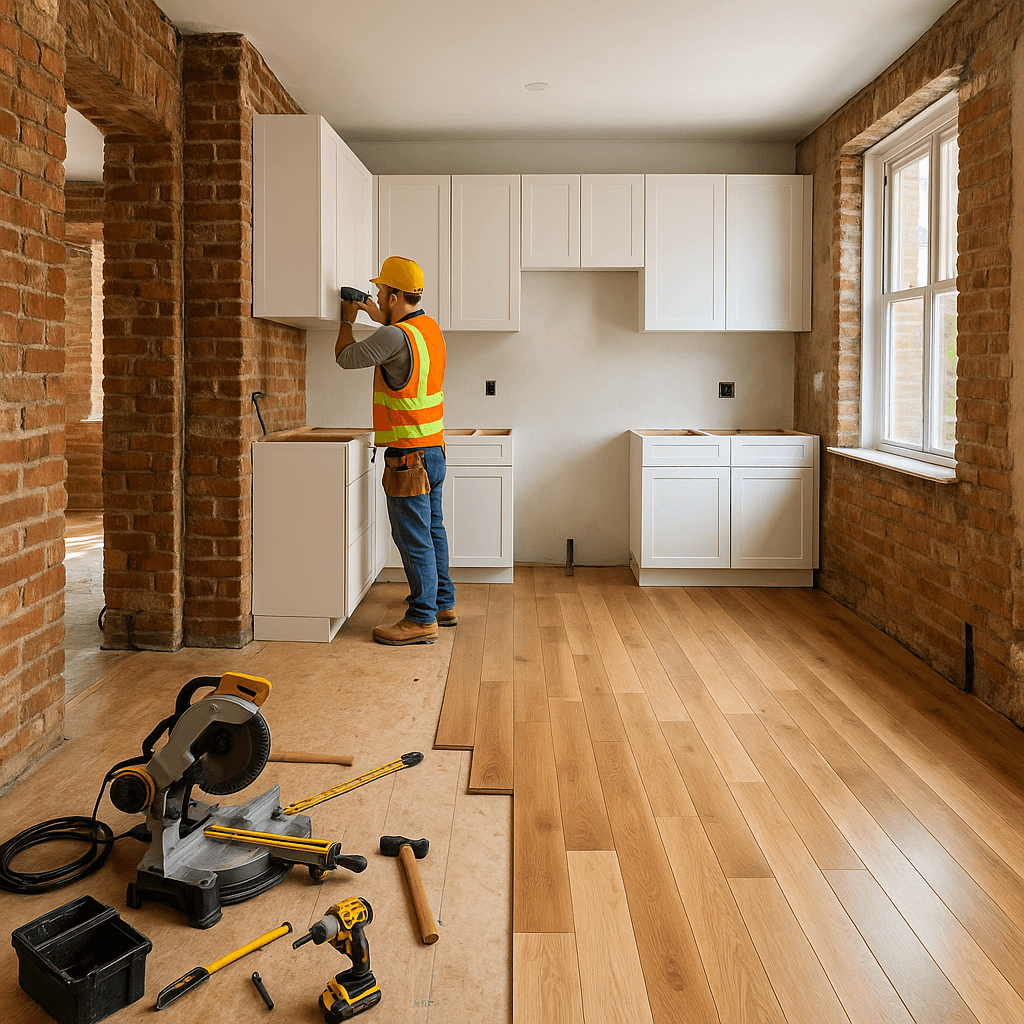
An older home may need substantial work, but a thoughtful renovation can give it another useful chapter.
In his Network Magazine article, Ray Dominguez, Co-Founder of Kaplan Private Lending, explores how changing financing conditions and investment strategies affect that process. For anyone following the Lehigh Valley real estate market, his message offers a useful starting point: evaluate the property, understand the numbers and plan before committing.
Why Existing Homes Matter in the Lehigh Valley
Housing supply is a regional concern. The Lehigh Valley Planning Commission identifies a housing shortage and has developed a Housing Supply and Attainability Strategy with regional partners.
New construction is part of that conversation, while improving existing properties offers another way to address housing needs. Renovating an uninhabitable home can return it to use; maintaining an occupied property can help preserve housing already serving a household.
For local real estate investors, that means looking beyond cosmetic potential. Roofing, electrical systems, plumbing, heating and structural conditions all influence whether a project is practical. A desirable location alone cannot compensate for a renovation budget that overlooks essential work.
Evaluating Investment Properties in Allentown, Bethlehem and Easton
Successful real estate investing in the Lehigh Valley requires research at the neighborhood and property level. A comparable sale across town may tell a different story from one on the same block.
Before purchasing, consider the acquisition price, renovation scope, contractor availability, permits, financing expenses and carrying costs. Taxes, insurance, utilities and maintenance continue while construction is underway.
After-repair value, or ARV, is the estimated value of a property after planned improvements. It should reflect relevant comparable sales and a realistic assessment of the finished home. An optimistic resale estimate can make a weak deal appear stronger than it is.
The same discipline applies to rental properties. Evaluate achievable rent alongside operating expenses, vacancy assumptions and ongoing maintenance.
Where Private Lending Fits Into Renovation Projects
Financing should match the property, borrower and project. Some conventional renovation mortgage programs combine acquisition or refinancing with improvement costs, so conventional financing should not automatically be ruled out for homes needing work.
Private real estate lending is another option to evaluate for investment acquisitions and rehabilitation. Depending on the lender and loan structure, the review may consider the property, renovation plan, borrower experience and anticipated exit strategy.
When comparing Lehigh Valley investment property financing, ask about interest, fees, loan duration, required borrower contributions and how renovation funds are released. Understand the documentation and conditions needed before closing.
At Kaplan Lending, a conversation with Ray Dominguez can help you explore how the available financing options relate to your proposed project.
Build an Exit Strategy Before You Buy
A fix and flip typically depends on renovating and selling the property. A rental strategy depends on sustainable income and suitable financing. Each approach requires its own assumptions.
If you intend to refinance after renovation, investigate qualification requirements early rather than treating approval as automatic. If you intend to sell, account for marketing time, selling expenses and the possibility of receiving less than your target price.
Ask how the project would perform if construction took longer or costs increased. Identifying those pressures before acquisition helps you decide whether the project fits your resources and experience.
How Renovation Connects to the Local Community
A renovation project involves more than a purchase and resale. Contractors, tradespeople and suppliers contribute to the work, while the completed property may become someone’s home.
That connection matters across Allentown, Bethlehem and Easton. Responsible improvements can help preserve existing neighborhoods and make individual properties more useful, comfortable and functional.
The opportunity is to match investment goals with work that a property actually needs. Careful execution matters as much as recognizing potential.
Talk With Ray Dominguez About Your Next Opportunity
Exploring a fix and flip, a rental renovation or another investment property in the Lehigh Valley?
Schedule a Complimentary ConsultationContact Ray Dominguez at Kaplan Lending for a complimentary consultation. Call (484) 695-9435, email info@kaplanlending.com or visit KaplanLending.com to discuss your next project. Bring the property address, estimated purchase price and renovation budget so the conversation can focus on the details that matter most to your decision.
Loans are for investment properties and are subject to underwriting approval. Financing availability, terms and closing timelines depend on the transaction.