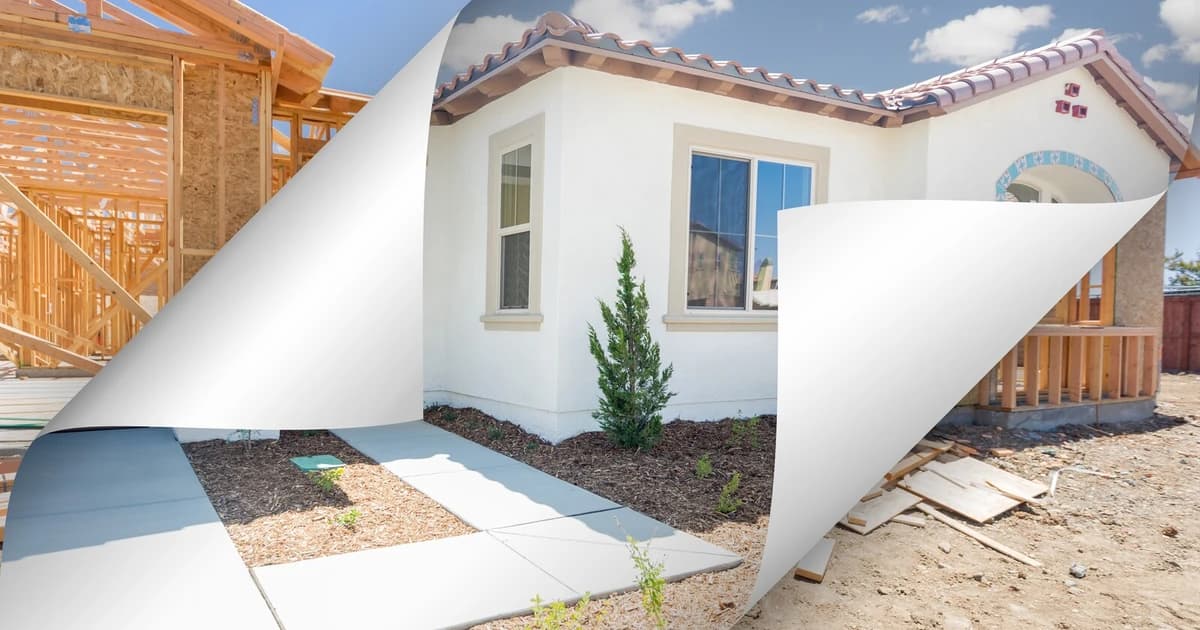


A successful renovation can make real estate investing look straightforward in a before-and-after photo. The more useful story is usually in the decisions behind the transformation: what the investor paid, what work the property needed, how the resale value was estimated and how long the exit took. Those details help another investor ask better questions about their own opportunity.
Kaplan Lending’s project materials include examples from Tobyhanna, East Stroudsburg and Kempton. Together, they offer practical lessons for investors considering Poconos fix and flip loans or renovation financing elsewhere in Pennsylvania. They also show why a sale price alone cannot explain a project’s profitability.
| Project | Purchase | Rehab | Initial ARV | Sale price | Days to sell |
|---|---|---|---|---|---|
| Tobyhanna | $127,000 | $90,000 | $315,000 | $360,000 | 124 |
| East Stroudsburg | $210,000 | $70,000 | $415,000 | $505,000 | 235 |
| Kempton | $115,000 | $83,000 | $280,000 | $299,000 | 104 |
Tobyhanna: connect the renovation to the buyer
The Tobyhanna example lists a $127,000 purchase price, a $90,000 rehab budget and an initial after-repair value of $315,000. The recorded sale price was $360,000, with 124 days to sell shown in Kaplan’s materials. That sale exceeded the initial ARV by $45,000.
For a prospective investor, the important question is how a renovation budget that large fits the property and its likely buyer. A $90,000 scope needs detailed pricing, sequencing and oversight. Before buying a similar property, identify which repairs restore basic function and which improvements support the expected resale price.
The outcome provides an example of what happened on one project. It does not establish that another Tobyhanna home will sell above its projected value. Your offer still needs to work with conservative comparable sales and a realistic construction budget.
East Stroudsburg: make time part of the analysis
Kaplan’s East Stroudsburg example shows a $210,000 purchase, a $70,000 rehab budget and an initial ARV of $415,000. The actual sale price was $505,000, with 235 days to sell recorded in the materials. The sale exceeded the original value estimate by $90,000.
That outcome is encouraging, but the timeline deserves attention alongside the price. Interest, insurance, utilities and other carrying costs can continue while a project is being renovated or marketed. An investor should understand whether a stated selling timeline includes construction, marketing or another period before using it as a planning benchmark.
When evaluating an East Stroudsburg investment property, ask how your own schedule aligns with the loan’s maturity date. A financing plan should account for the time needed to complete work and close the eventual sale, including room for delays.
Kempton: separate the sale premium from profit
The Kempton project lists a $115,000 purchase price, an $83,000 rehab budget, a $280,000 initial ARV and a $299,000 sale price. Kaplan’s materials show 104 days to sell. The property sold for $19,000 above its initial ARV.
Purchase price plus the stated rehab budget equals $198,000. Subtracting that figure from the sale price produces a $101,000 spread before financing, carrying costs, closing expenses, selling costs and any other project expenditures. That figure is not verified net profit.
This distinction is essential when reviewing any fix and flip case study. An attractive sale premium can coexist with meaningful costs. Ask for the complete project economics before deciding that a similar property offers the same opportunity.
Evaluate the property, not the regional headline
The Poconos is a regional label covering properties with different buyer profiles, physical conditions and operating considerations. A home in one community may not be comparable to another simply because both are described as Poconos investments.
Review access, utilities, property condition and any applicable association restrictions. If a potential rental exit is part of your plan, independently verify the relevant municipal rules and property-specific permissions. Do not assume a house can become a short-term rental because a nearby listing operates that way. For resale, focus on recent comparable transactions and improvements the target buyer values.
Turn the examples into better questions
These examples suggest a practical habit: review completed projects with the same discipline you use before buying. Compare estimated costs with actual expenditures, note which improvements affected buyer response and identify the reasons for schedule changes. That review can sharpen your next offer and help your contractor price similar work more accurately.
Before submitting a deal, ask whether your budget includes contingency, whether the resale estimate is conservative and whether your reserves can cover a longer holding period. Discuss the repayment plan if the sale price comes in below expectations.
Planning a Poconos fix and flip? Let’s review the numbers.
Start Your ApplicationRay Dominguez can help you explore how private lending fits your acquisition and renovation plans. Contact ray@kaplanlending.com or (484) 695-9435, or visit the Poconos hard money lender page for a complimentary conversation about your next Poconos investment.