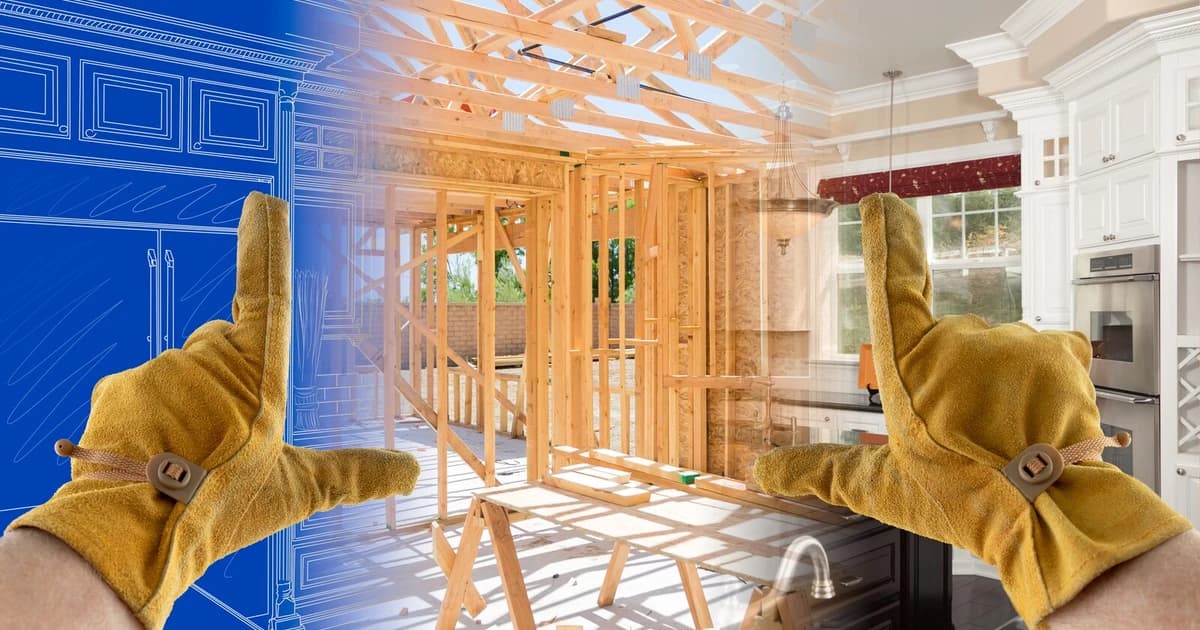


A house that needs work can represent an opportunity for an investor who understands the property, the renovation and the neighborhood. Whether you are considering an Allentown rowhome, a Bethlehem property or a Poconos renovation, financing should fit the project you can realistically complete. Understanding fix and flip loan requirements helps you prepare for that conversation before making a purchase commitment.
Kaplan Lending takes a relationship-first approach to real estate financing. Co-founders Ray Dominguez and Bashir Kadi bring investing experience to the review, looking at the opportunity alongside the work and resources needed to execute it. For borrowers across the Lehigh Valley and Poconos, that means discussing the details behind the address.
What does fix and flip financing support?
Fix and flip financing provides short-term capital for an investment property intended for renovation and resale. Depending on the approved structure, financing may support acquisition and eligible improvements. It is designed around a business-purpose investment rather than the purchase of a personal residence.
Begin by explaining what you want to buy, what needs to change and how you expect to repay the loan. A clear project description helps Kaplan evaluate whether the property and proposed financing belong together.
Show how the property fits its local market
A Bethlehem renovation should be evaluated against relevant Bethlehem sales, while an Allentown investment needs evidence from its own competitive market. Broad Lehigh Valley averages cannot establish the likely resale price of a specific house. Property size, layout, condition and location all influence which transactions provide useful comparisons.
The same discipline applies to Poconos investment properties. A Tobyhanna home and an East Stroudsburg property may serve different buyers, even when both appear in a regional search. Evaluate comparable sales and property-specific conditions before deciding what the completed home could command.
After-repair value, or ARV, estimates the property’s value once the planned improvements are finished. Support that estimate with evidence and a renovation scope consistent with the homes used for comparison.
Understand your contribution and financing costs
Ask how much cash you need at closing and throughout the renovation. Your financial plan should account for costs the loan does not cover, plus reserves for unexpected repairs or a longer holding period. Include insurance, taxes, utilities, financing charges and selling expenses.
Kaplan’s capital partner overview describes a standard after-repair loan-to-value target of no more than 70%. That guideline is one part of underwriting, rather than a promise that every borrower receives a particular loan amount. Actual financing depends on the property, project review and written terms.
Confirm how renovation funds become available and when interest begins accruing. Understanding those mechanics helps you plan contractor payments and working capital before construction starts.
Bring a renovation plan you can explain
Your contractor’s scope should connect each major improvement to a cost and schedule. Separate essential repairs from optional upgrades, identify exclusions and investigate uncertain items before relying on a final budget. A project becomes easier to evaluate when its assumptions are visible.
For first-time investors, Kaplan’s roadmap emphasizes a licensed general contractor and a light renovation scope of approximately $50,000 or less. Discuss how that framework applies to your opportunity rather than assuming it guarantees approval.
Local preparation matters, too. Check applicable permit requirements in Allentown, Bethlehem or the municipality where your Poconos property sits. Where relevant, review association restrictions and property-specific limitations that could affect the renovation or intended use.
Prepare the exit before you purchase
Your repayment plan should explain how and when the investment will generate enough money to satisfy the loan. If resale is the primary exit, include renovation, inspections, marketing and the eventual closing in your schedule.
If refinancing is a potential alternative, investigate the future lender’s requirements and expected proceeds before depending on it. A rental strategy also needs realistic income and operating expenses. Neither a projected sale nor a planned refinance guarantees repayment on schedule.
Kaplan’s completed projects illustrate the importance of evaluating each deal individually. Its Kempton example lists a $115,000 purchase and an $83,000 rehab budget, while its East Stroudsburg example lists a $210,000 purchase and a $70,000 rehab budget. Different acquisition and renovation costs require different financing conversations. Use those examples to ask better questions about your own numbers, rather than treating another investor’s outcome as your expected result.
Start with a useful conversation
Bring Kaplan the property address, proposed purchase price, rehab budget and exit strategy. Share your experience, contractor information and target closing date, along with any unresolved questions. Ray can explain the additional documentation and conditions relevant to the transaction.
Want to know if your next Lehigh Valley or Poconos deal qualifies?
Start Your ApplicationFor a complimentary consultation about fix and flip loans in Allentown, Bethlehem, the Lehigh Valley or the Poconos, contact Ray Dominguez at ray@kaplanlending.com or (484) 695-9435.