
A completed renovation tells a more useful story when you understand the purchase, the improvements, the timeline and the costs behind the sale.
What does a real estate investment opportunity look like beyond the headline? For people researching real estate investing in the Lehigh Valley, an actual project can make the process easier to understand. It connects capital to a property, a renovation plan and an eventual outcome.
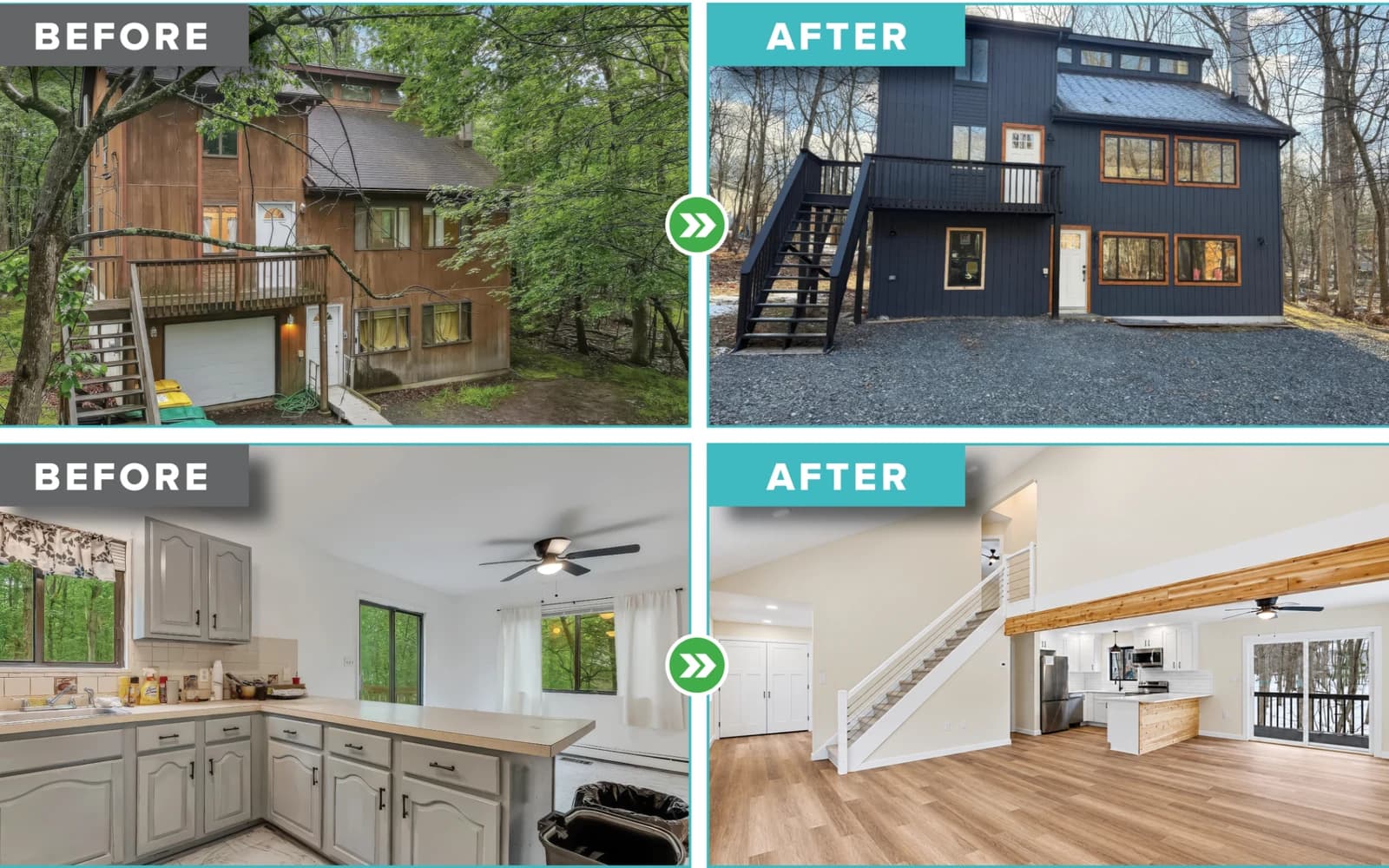
A Kaplan Lending project in Kempton provides that perspective. The project figures show a $115,000 purchase, an $83,000 renovation budget, an initial after-repair value estimate of $280,000 and a sale at $299,000. The reported project timeline was 104 days.
What the Kempton project demonstrates
The property sold for $19,000 above its initial estimated after-repair value. That is a meaningful project result, but the most useful lesson is how several decisions worked together: acquiring the property, budgeting improvements and bringing the finished home to market.
For prospective capital partners, a case study offers something concrete to discuss. What made the purchase attractive? Which improvements supported the resale? How was the budget evaluated? What supported the original valuation?
Those questions help reveal the process behind a successful outcome.
Sale price is different from investment return
The purchase price and renovation budget total $198,000. Comparing that amount with the $299,000 sale price produces a $101,000 difference before other expenses.
That difference is not net profit. Financing charges, taxes, insurance, utilities, closing costs, selling commissions and other project expenses must also be considered. The renovation budget may also differ from the final renovation cost.
Likewise, a property’s sale price does not establish what a Kaplan capital partner earned. Capital partner returns depend on their particular agreement, payment terms, fees and investment structure. Keeping those figures separate makes the story more credible and useful.
Why financing matters to a renovation
A renovation project needs more than an attractive purchase price. The operator needs a way to complete the acquisition, pay for improvements and carry the property until the exit occurs.
Kaplan provides private financing for projects such as fix-and-flip renovations. For a capable property operator, financing can help turn an identified opportunity into an executable plan.
For someone exploring the capital side of real estate, this explains the underlying activity: lending supports a sequence of work that aims to produce a marketable property and a source of repayment.
What local projects can teach capital partners
People searching for investment opportunities in Allentown, Bethlehem and Easton often want to understand where their capital could fit. A nearby project makes that conversation tangible.
You can discuss the neighborhood, the work performed and the intended buyer. You can also ask how the team would evaluate a similar property if renovation costs increased or the resale market softened.
The Kempton example is useful because it invites that deeper discussion. A favorable outcome creates an opportunity to examine decisions, rather than assuming every future project will follow the same path.
A second example: understanding projected value
Kaplan’s published Nazareth project describes a $233,000 purchase, a $100,000 renovation budget and a targeted $475,000 after-repair value. The website identifies the renovation as underway.
This is a project plan, rather than a completed sale result. That distinction illustrates an essential real estate investing skill: separating a forecast from an outcome.
When reviewing any opportunity, ask what supports the projected value, which expenses remain uncertain and what would happen if the property sold for less. Good questions remain valuable even when the initial numbers look attractive.
Why these stories make Kaplan worth a conversation
Kaplan offers prospective capital partners a way to learn about local lending through identifiable property activity. Instead of discussing real estate only in abstract terms, you can ask about acquisition decisions, renovation execution and repayment planning.
That can be especially helpful if you want exposure to real estate without personally overseeing a renovation. The next step is understanding whether an available capital partner arrangement matches your goals, time horizon and capacity for risk.
Want to review completed Kaplan projects before you decide?
Talk to Kaplan LendingSchedule a complimentary one-on-one conversation with Ray Dominguez through KaplanLending.com. Ask about the Kempton project, other completed transactions and the documentation available to evaluate Kaplan’s approach. Bring your questions about both the financial results and renovation process.
A case study should help you ask better questions and understand the work behind the numbers. Past project results do not guarantee future performance, and capital partners can lose principal. Investment terms, eligibility and availability depend on the applicable documents.